
Our Workflow

1. Patient-Derived Cells or Engineered iPSCs

We start by obtaining induced pluripotent stem cells (iPSCs), either from patient samples or commercial iPSCs modified by genetic engineering. These cells have the unique ability to differentiate into any cell type, enabling us to create personalized models of the human brain.
2. Development of Brain Organoids
Using innovative low-cost differentiation protocols, we generate 3D human brain organoids that mimic key aspects of neural development and function. These models allow us to study neuropsychiatric disorders in a human-relevant context.
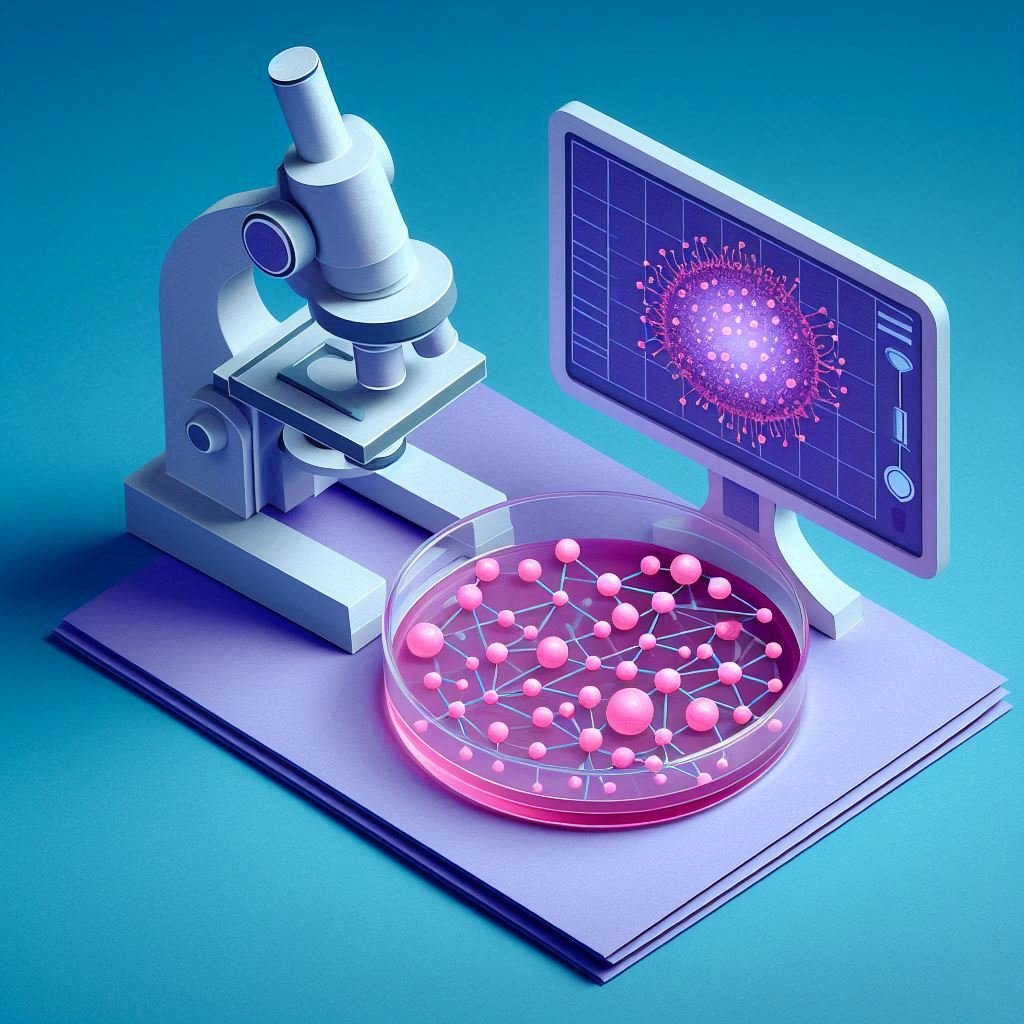
3. Advanced Phenotypic Characterization
Our platform utilizes high-throughput imaging, molecular biology assessments, and electrophysiological recordings to analyze cellular behavior, synaptic activity, and disease-related phenotypes. This step provides a comprehensive understanding of how neurological conditions affect the brain at the cellular level.
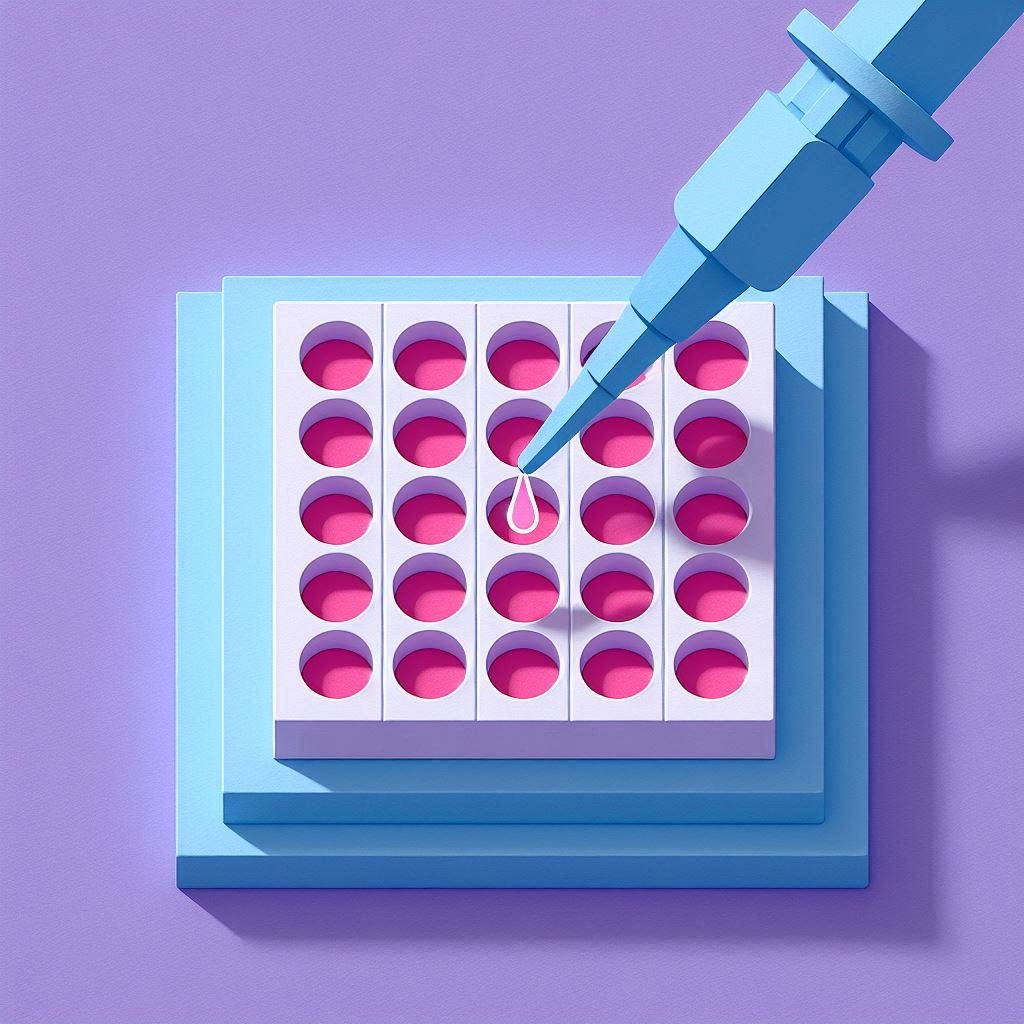
4. Drug Testing & Personalized Medicine
We test candidate compounds on brain organoids to evaluate their efficacy and toxicity. This reduces the reliance on traditional animal models and enhances the prediction of clinical outcomes. The results can be used to guide personalized treatment strategies for patients.
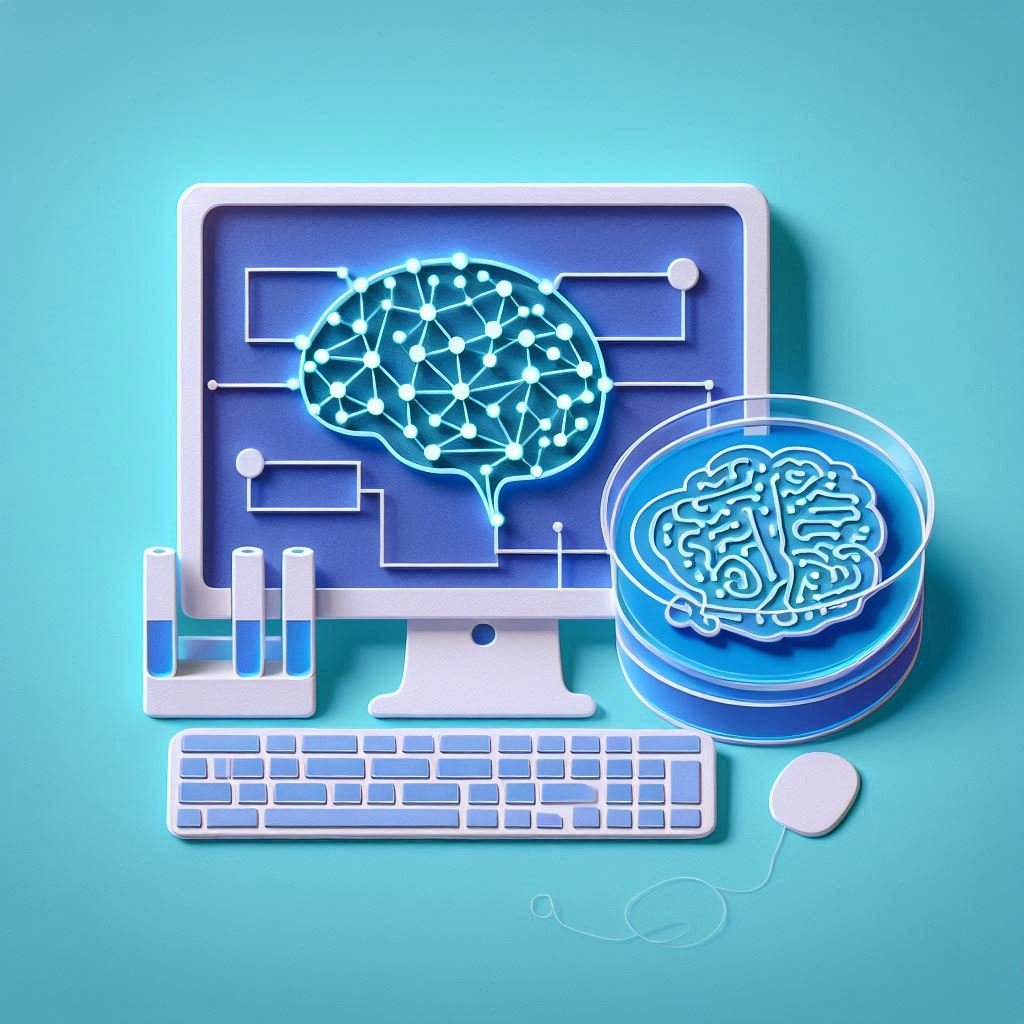
5. AI-Driven Data Integration & Insights
By integrating advanced data analytics and AI, we identify biomarkers, disease signatures, and potential therapeutic targets with high precision. This step ensures that our findings contribute to both academic research and translational medicine.